Wondering if Huntington Beach is all crowds, surf culture, and postcard views around the pier? If you are thinking about moving here, visiting neighborhoods, or comparing different parts of the city, it helps to know what daily life actually feels like once you get beyond the tourist image. The good news is that Huntington Beach offers a lot more variety than many people expect, from walkable coastal districts to quieter residential pockets and inland neighborhoods with a more traditional suburban rhythm. Let’s dive in.
Huntington Beach Has More Than One Lifestyle
Huntington Beach is often known for its pier and beachfront energy, but the city’s everyday identity is much broader. According to the city’s General Plan, places like Downtown, the beach, Central Park, Bolsa Chica Wetlands, Huntington Harbour, and Sunset Beach all have strong and distinct identities.
That matters if you are choosing where to live. Instead of one uniform beach-city experience, you get several different versions of Huntington Beach depending on how close you want to be to the coast, how much walkability you want, and what kind of home fits your lifestyle.
The city also remains largely neighborhood-based. Residential uses make up the largest share of land use, and single-family housing accounts for most residential designations, which helps explain why so much of Huntington Beach still feels rooted in everyday neighborhood living.
Downtown Living Feels Walkable and Active
If you picture Huntington Beach as lively, coastal, and easy to explore on foot, Downtown is probably what comes to mind. The city describes this area as a pedestrian and bicycle-oriented village with commercial, entertainment, and recreation uses.
This is the part of Huntington Beach where the beach lifestyle feels most immediate. You are closer to the pier, Main Street activity, dining, retail, and the kind of daily routine where walking or biking can be part of how you move through the neighborhood.
Pacific City adds another layer to that experience. This 31-acre mixed-use project includes 516 residential units along with retail, office, restaurant, cultural, and entertainment space, making it one of the clearest examples of beach-adjacent living that leans more toward condo and mixed-use life than a classic detached-home setting.
Huntington Harbour and Sunset Beach Feel Quieter
If Downtown feels energetic and social, Huntington Harbour and Sunset Beach offer a different side of the city. These areas are more water-oriented, more residential in feel, and generally quieter than the core pier area.
Huntington Harbour was built in the 1960s and includes five man-made islands and more than 500 bayfront homes. That creates a distinct waterfront environment that feels separate from the busier beachfront areas, with a lower-rise character and a stronger focus on residential living.
Sunset Beach also keeps a distinctive neighborhood character. The city’s planning framework notes a mixed-use overlay in this area that allows residential and commercial uses together in specific locations, which helps preserve a local, coastal-neighborhood feel rather than a more urban development pattern.
Peter’s Landing supports that atmosphere with waterfront shopping and dining. Instead of creating a dense urban district, it adds convenient harbor-front amenities that fit the lower-scale setting.
Inland Neighborhoods Feel More Suburban
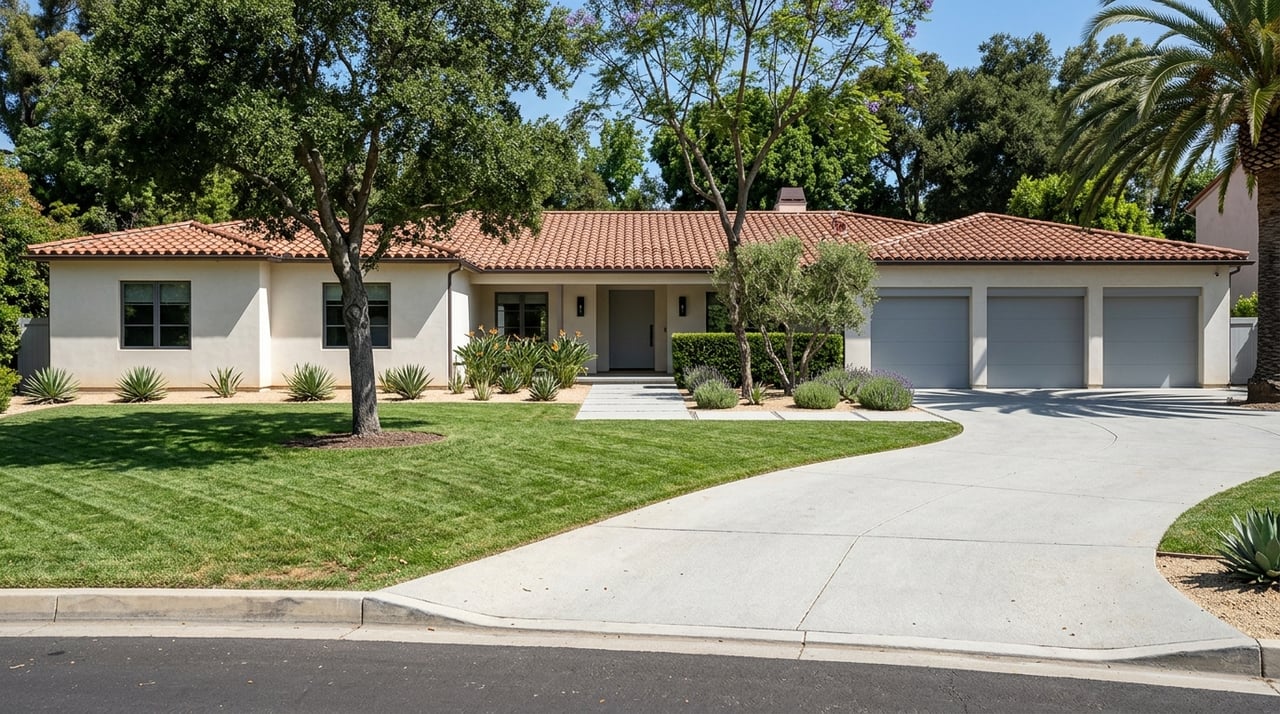
Move farther from the coast, and Huntington Beach starts to feel more like conventional Southern California suburbia. You will generally see larger residential tracts, retail corridors, and easier access to major roadways and freeways.
The city’s planning documents show that mixed-use development is concentrated in Downtown, the Beach and Edinger Corridors, and Bella Terra. Outside those areas, the broader city remains dominated by single-family residential land uses.
For you as a buyer, that can shape the search in a practical way. Closer to the sand, you may see more condos, townhomes, and mixed-use housing options, while inland areas are more closely associated with detached homes and tract-style neighborhood patterns.
Outdoor Living Goes Far Beyond the Pier
The beach is a huge part of life in Huntington Beach, but it is not the only outdoor draw. The city has 9.5 miles of contiguous sandy shoreline, and a multi-use trail runs along the beach.
That shoreline includes Sunset Beach, Bolsa Chica State Beach, Huntington City Beach, and Huntington State Beach. The paved beachside trail stretches 8.5 miles between Bolsa Chica and Huntington State Beaches, with Huntington City Beach in the middle.
For daily life, that creates more than a scenic backdrop. It means you have easy access to activities like jogging, biking, surfing, swimming, volleyball, fishing, and bonfires, depending on where you spend your time.
Bolsa Chica and Huntington State Beach Offer Different Experiences
Even if both beaches support an outdoor lifestyle, they are not exactly the same. Bolsa Chica State Beach extends three miles from Warner Avenue to Seapoint Avenue, while Huntington State Beach runs two miles from Beach Boulevard to the Santa Ana River.
Bolsa Chica is the stronger fit if camping matters to you, since it offers RV campsites. Huntington State Beach does not offer camping.
There are also a few practical rules and conditions worth knowing. At both beaches, dogs are allowed only on the multi-use trail and not on the sand, and Huntington State Beach notes that morning fog is common and summer highs are typically in the high 70s.
Central Park and Wetlands Shape Daily Routine
Living in Huntington Beach is not only about the coastline. The Bolsa Chica Ecological Reserve, at about 1,400 acres, is one of the city’s major open-space and wildlife assets.
That gives the city a different kind of outdoor identity. The wetlands are part of the broader recreation and conservation system, so they function as both habitat and scenery and add another layer to daily life beyond beach crowds.
Inland, Huntington Central Park is a major anchor for residents. The city identifies it as the primary recreation and cultural center, and local sources describe it as the largest city-owned park in Orange County, with trails, lakes, a library, art and cultural facilities, a dog park, and an equestrian center.
For many residents, places like Central Park can be just as important as the ocean. They support a more year-round routine that includes walking trails, library visits, park time, and community programming.
Getting Around Depends on Where You Live
Commute feel and daily convenience can vary a lot by location. Huntington Beach is connected by I-405, State Route 39, also known as Beach Boulevard, and State Route 1, also known as Pacific Coast Highway.
The city’s circulation planning emphasizes access to airports and surrounding job centers, which is important if you work elsewhere in Orange County or beyond. OCTA bus service also connects Huntington Beach to places like Fullerton, Irvine, Santa Ana, and John Wayne Airport, including Rapid Route 529 on Beach Boulevard.
For a general benchmark, the Census Bureau QuickFacts page lists Huntington Beach’s mean travel time to work at 28.7 minutes. Of course, your actual commute will depend on your route, work schedule, and where in the city you live.
Parking Can Shape Your Day-to-Day Experience
Parking is more than a small inconvenience in Huntington Beach. It can be a real lifestyle factor, especially if you want to live close to the beach or near active commercial areas.
The city’s circulation plan says parking demand is especially heavy in Downtown, at the beach, and near parks and special-event areas. The city manages this with parking lots and garages in Downtown and near the beach, along with residential permit programs in some areas.
That does not mean beach-adjacent living is a bad choice. It simply means the tradeoff is real: closer proximity to walkable amenities and the coast may also come with more visitor traffic and more parking pressure than inland neighborhoods typically experience.
Dining and Shopping Happen in Key Activity Hubs
Huntington Beach does not spread its dining and shopping evenly across every block. Instead, daily amenities tend to cluster in a few recognizable nodes.
Main Street and the pier area bring together beachfront dining and retail. Surf City Nights adds a weekly Tuesday evening street fair and farmers market on the first three blocks of Main Street, giving the area a recurring neighborhood event feel.
Pacific City offers another oceanfront dining and shopping option, while Bella Terra brings a different format with more than 25 restaurants and a movie-theater-centered shopping environment. Peter’s Landing adds harbor-front dining and shopping on the west side of the city.
For you, that means lifestyle can vary by proximity to these hubs. Some parts of Huntington Beach feel more connected to restaurant and retail activity, while others feel more residential and removed from the social center.
The Social Rhythm Feels Residential Year-Round
One of the biggest surprises about Huntington Beach is that it does not function only like a beach destination. The city’s planning and recreation framework points to a broader mix of library, art, senior, sports, and park programming centered around places like Central Park and neighborhood park spaces.
That helps create a year-round residential routine. You can still enjoy the coastal setting, but daily life often looks more like regular neighborhood living with access to parks, civic spaces, shopping districts, and transportation connections.
In other words, Huntington Beach beyond the pier feels layered. You have active walkable districts, waterfront residential pockets, suburban inland neighborhoods, major open-space assets, and practical day-to-day considerations like parking, commute routes, and housing type.
If you are trying to decide whether Huntington Beach fits your next move, the real question is not just whether you want to live near the beach. It is which version of Huntington Beach fits the way you want to live.
If you are exploring Huntington Beach or comparing neighborhoods across Orange County, IMPACT Realty Group can help you understand your options with clear, practical guidance tailored to your goals.
FAQs
What is daily life like in Huntington Beach beyond the pier?
- Daily life in Huntington Beach is more neighborhood-based than many people expect, with distinct areas like Downtown, Huntington Harbour, Sunset Beach, Central Park, and inland residential tracts all offering different routines and housing patterns.
What part of Huntington Beach is the most walkable?
- Downtown Huntington Beach is the city’s most walkable area, with a pedestrian and bicycle-oriented layout, beach access, Main Street activity, and mixed-use living near places like Pacific City.
What is the difference between Huntington Harbour and Downtown Huntington Beach?
- Huntington Harbour generally feels quieter, more residential, and more water-oriented, while Downtown feels more active, walkable, and centered around beach, dining, shopping, and entertainment activity.
Are inland Huntington Beach neighborhoods different from beachside areas?
- Yes, inland areas tend to feel more like traditional Southern California suburbia, with larger residential tracts, retail corridors, and more single-family housing compared with the condos, townhomes, and mixed-use patterns found closer to the coast.
What outdoor spaces matter most in Huntington Beach besides the beach?
- Beyond the shoreline, the Bolsa Chica Ecological Reserve and Huntington Central Park are major parts of everyday outdoor life, offering open space, trails, recreation, cultural amenities, and a broader year-round lifestyle.
Is parking difficult in Huntington Beach?
- Parking demand is heaviest in Downtown, at the beach, and near parks and event areas, so parking can be an important lifestyle factor if you want to live close to the city’s busiest coastal and activity hubs.
How do people get around Huntington Beach?
- Huntington Beach is served by I-405, Beach Boulevard, Pacific Coast Highway, and OCTA bus routes that connect to destinations including Fullerton, Irvine, Santa Ana, and John Wayne Airport.
Is Huntington Beach only for people who want a beach lifestyle?
- No, Huntington Beach offers a mix of coastal, waterfront, park-centered, and suburban living, so the city can appeal to people looking for different routines, home types, and levels of activity.