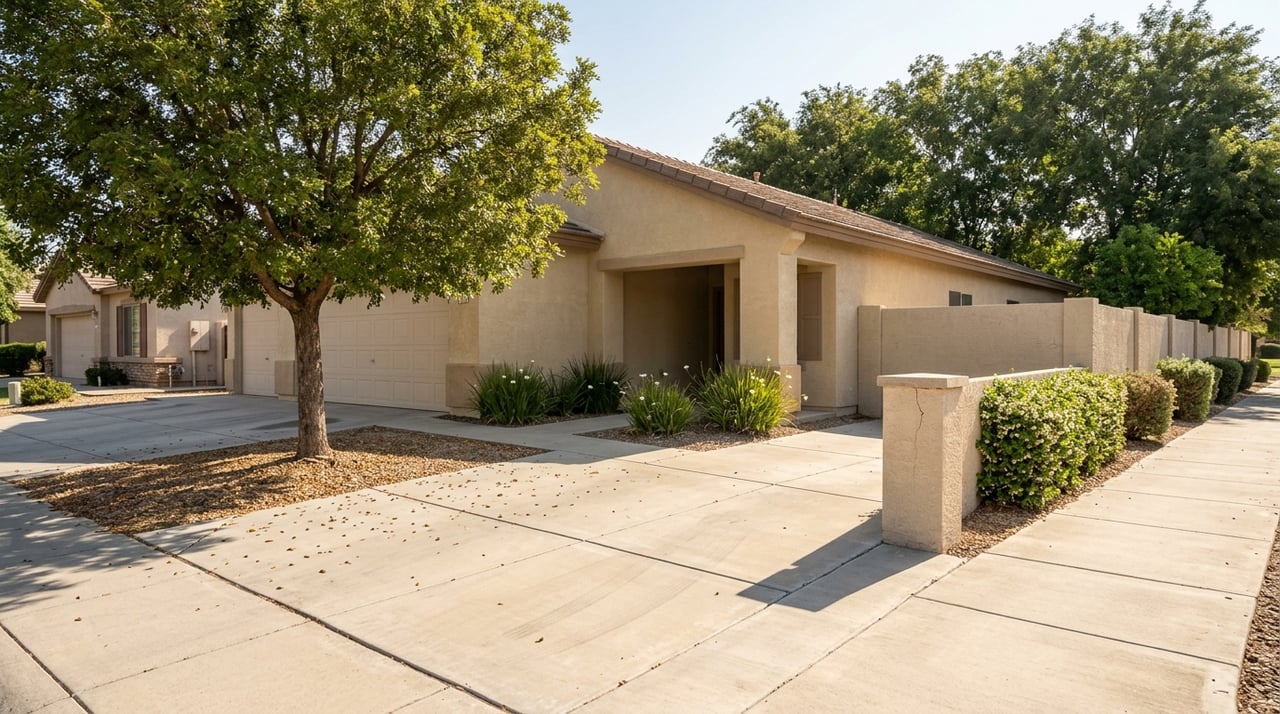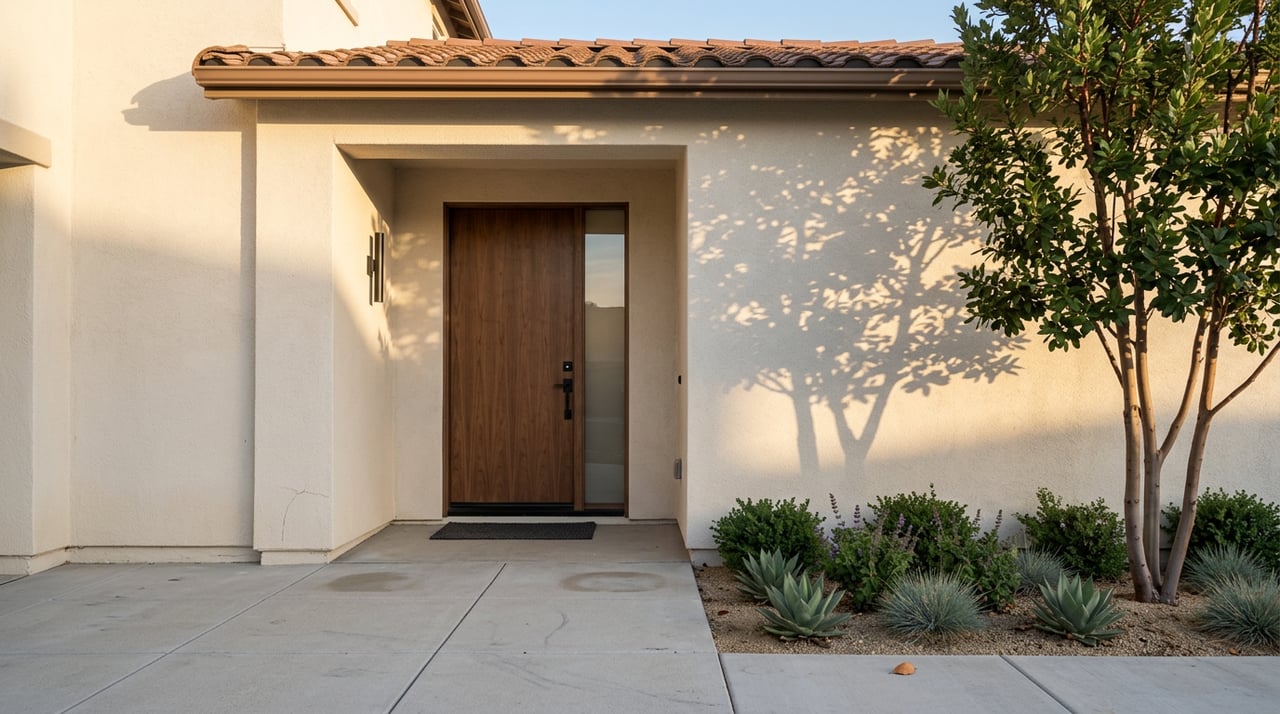
A buyer touring a 1912 Craftsman near the Plaza this summer will hear the same pitch nearly every listing in Old Towne Orange has carried for a decade: charming bones, walkable to the circle, and Mills Act eligible. That last phrase does a lot of work. It implies a future property tax cut is sitting there, waiting for the new owner to sign the paperwork.
Right now, that paperwork does not exist to sign.
The City of Orange has not been accepting new Mills Act applications while it reviews the program, and as of a January 2026 update from the Old Towne Preservation Association, the city still had not announced when applications might reopen. That single fact changes the math on every "Mills Act eligible" listing in the district, and almost nobody shopping historic homes in Orange right now is pricing it in.
The gap between "eligible" and "available"
Mills Act eligibility and Mills Act enrollment are two different things, and the difference has never mattered more than it does this year. Eligibility means a property sits on the National Register or a local historic survey and could theoretically qualify. Enrollment means the city has actually signed a contract, and the county assessor has recalculated the tax bill.
More than 200 properties in Orange currently hold active Mills Act contracts. Every one of those was signed before the current freeze. A buyer purchasing an eligible but unenrolled property today is not buying a tax break. They are buying the option to apply for one once the city resumes taking applications, with no published date for when that will happen.
That is a meaningfully different asset than the one the listing language suggests, and it is worth walking into a purchase with eyes open rather than discovering it during escrow.
Two very different historic houses
Not every Mills Act situation in Old Towne looks the same from the buyer's side of the table. It helps to separate the two paths a historic property can be on right now.
| Property status | What a buyer actually gets |
|---|---|
| Already enrolled in an active Mills Act contract | Inherits the existing tax benefit, but also inherits the compliance record and the contract's remaining terms |
| Eligible but not yet enrolled | No current path to enroll while the city's application freeze continues, timeline unannounced |
Buyers chasing the tax break specifically should be looking at the first column, not the second. And that first column comes with its own homework.
Why an existing contract needs a second look, not just a signature
A Mills Act contract survives a sale, but the compliance obligations attached to it survive with it. In August 2025, the city sent an initial letter to Mills Act contract holders. According to the Old Towne Preservation Association, that first letter generated enough concern in the community that the organization, working with the Orange Legacy Alliance, met directly with the city's Community Development Department. The result was an agreement that the original letter was not appropriately worded, and a second, more targeted letter is now going specifically to contract holders the city has identified as out of compliance.
For a buyer, that is a due diligence item, not background noise. A Mills Act contract requires the owner to file annual reports on repairs and maintenance and to update the ten year rehabilitation plan on a recurring cycle. If a seller's contract has fallen behind on either requirement, the buyer inheriting that contract inherits the compliance gap too. Asking a seller directly whether their Mills Act contract is current, and requesting the most recent annual report, is a reasonable step before writing an offer on any Old Towne property marketed with an existing contract.
The design review process got heavier this year, independent of the tax question
Even a buyer with no interest in the Mills Act still runs into a second layer of friction the moment they want to add a bedroom, build an accessory dwelling unit, or touch anything visible from the street. Orange's historic districts, which include the Old Towne Orange Historic District listed on the National Register in 1997, the separate Plaza Historic District listed in 1982, and the locally designated Eichler Fairhaven, Fairhills, and Fairmeadow districts, all fall under the city's Historic Preservation Design Standards.
Small projects can often clear a staff level Minor Design Review. Anything more substantial goes to the five member Design Review Committee, and as of this year the city added a new submittal requirement: building additions, new infill construction, and ADUs on historic properties or inside a historic district now require a historic resource assessment report evaluating how the project conforms to the design standards before the application moves forward.
That review adds real time. A 2026 permitting guide from an Orange County ADU builder put the added Design Review Committee review at 8 to 12 weeks, pushing total permit timelines to roughly 14 to 22 weeks inside Old Towne compared with 8 to 14 weeks outside the historic boundary, and estimated a construction cost premium of 10 to 15 percent for projects inside the district. The same guide describes the Old Towne boundary as running roughly along Walnut, Cambridge, Almond, and Center streets around the Plaza, which is worth checking against a specific address before assuming a renovation timeline either way.
Materials matter too. Vinyl windows are not allowed anywhere in the historic district, and artificial turf is prohibited in front and side yards visible from the street. Neither is a dealbreaker, but both change a renovation budget if a buyer assumed they could do a quick, low cost refresh before move in.
What this actually means at the offer stage
None of this makes Old Towne Orange a bad buy. It makes it a district where the paperwork attached to a specific house matters as much as the square footage. Two Craftsman bungalows on the same block can carry very different real costs depending on whether one has a compliant, active Mills Act contract and the other is merely eligible with no enrollment path open right now.
For sellers, that means being precise in the listing and in conversations with buyers about which category the property actually falls into, and being ready to produce the most recent Mills Act annual report if a contract is in place. For buyers, it means asking the direct question early: is this house enrolled, or eligible, and if enrolled, is the contract in good standing. The answer changes what the house is actually worth to you, separate from whatever the listing photos suggest.
If you are weighing a purchase or a sale of a historic property in Orange, our neighborhood page for Orange has more on the surrounding market, and our home selling guide walks through preparation steps that apply whether or not a Mills Act contract is involved.
A few direct questions
Can a new owner apply for the Mills Act on a property that already has an active contract from a previous owner? No new application is needed. The existing contract transfers with the sale, and the new owner takes on its remaining terms and reporting obligations.
If the city reopens Mills Act applications, will previously eligible properties get priority? There is no published information on how a reopened application cycle would be structured. The City of Orange processes Mills Act applications twice yearly under normal conditions, but that schedule has been paused, and no timeline for resuming it had been announced as of the January 2026 update.
Does the historic resource assessment requirement apply to a simple kitchen remodel? The new submittal requirement targets building additions, new infill construction, and ADUs, not interior work that leaves the exterior untouched. Exterior changes of any size are still subject to the city's Historic Preservation Design Standards and should be checked with the Community Development Department before work begins.
Buying or selling in a historic district rewards patience and specifics over assumptions. IMPACT Realty Group works with clients across Orange and the surrounding cities on exactly this kind of transaction, and a conversation before you write an offer or list a Mills Act property is worth more than a guess. Reach out for a home valuation and we will walk through what your specific property's status actually means.